Japanese Culture

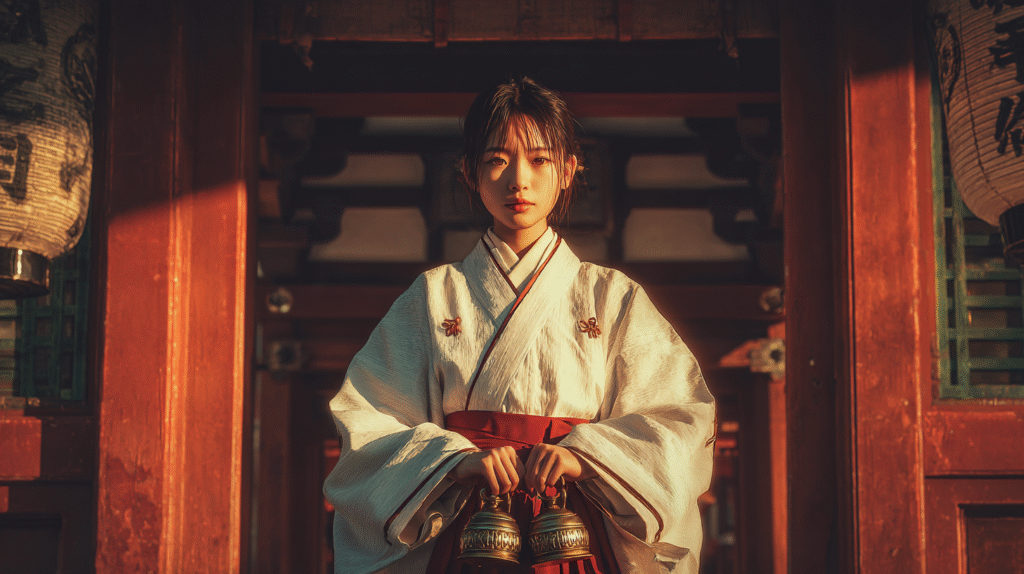
Typical modern Miko priestess in Japan

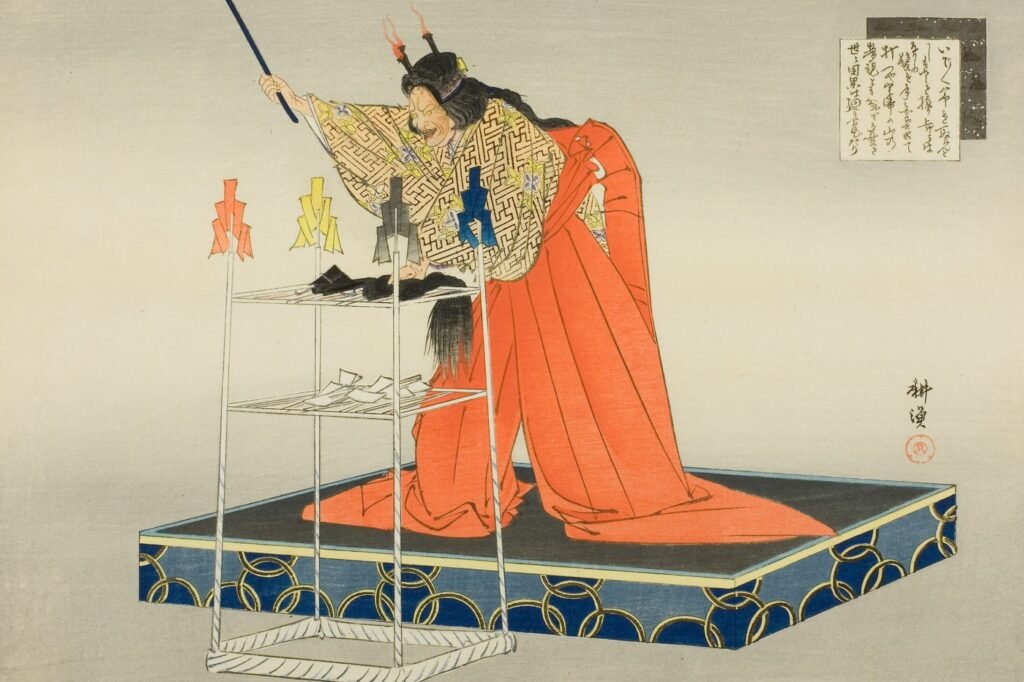
Sacred Women Who Dance with Gods: The Miko Priestess Tradition and Ame-no-Uzume, Japan’s First Divine Shaman

When visiting a Shinto shrine in Japan, you may encounter young women dressed in distinctive red and white garments. These are miko priestesses, sacred intermediaries between the divine and human realms who have played crucial roles in Japanese religious culture from ancient times to the present. To understand the origins of the miko priestess tradition, […]
Sacred Women Who Dance with Gods: The Miko Priestess Tradition and Ame-no-Uzume, Japan’s First Divine Shaman Read More »

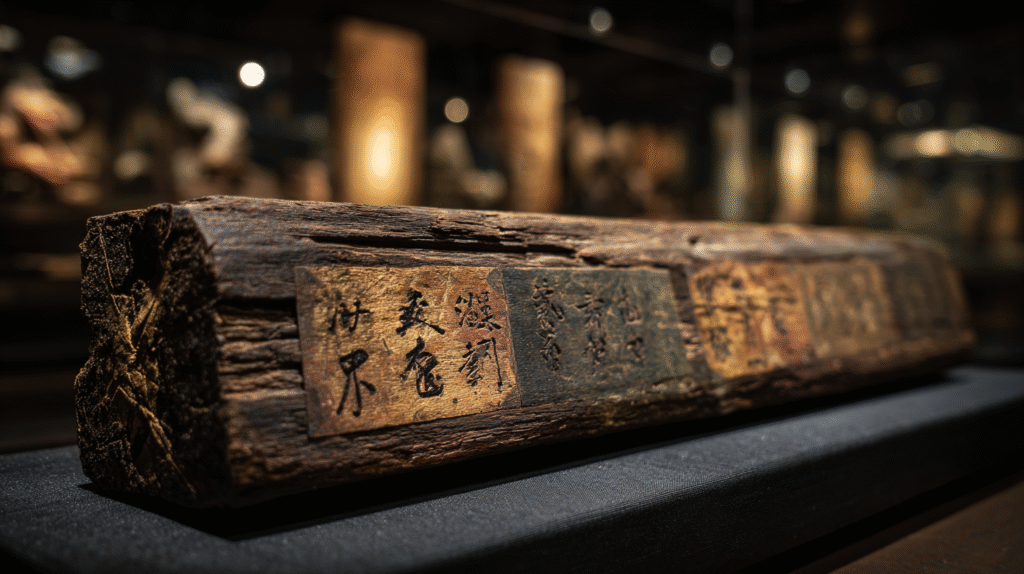
Imaginary look of The Legendary Ranjatai: Japan's Most Sacred Incense Wood That Captivated Oda Nobunaga

The Legendary Ranjatai: Japan’s Most Sacred Incense Wood That Captivated Oda Nobunaga

In the ancent city of Nara, within the hallowed halls of Todai-ji temple’s Shosoin repository, lies a piece of wood that has captivated Japan’s most powerful leaders for over a millennium. Known as Ranjatai (蘭奢待), this legendary incense wood represents one of the most treasured artifacts in Japanese cultural history, embodying the nation’s sophisticated aesthetic

The Legendary Ranjatai: Japan’s Most Sacred Incense Wood That Captivated Oda Nobunaga Read More »

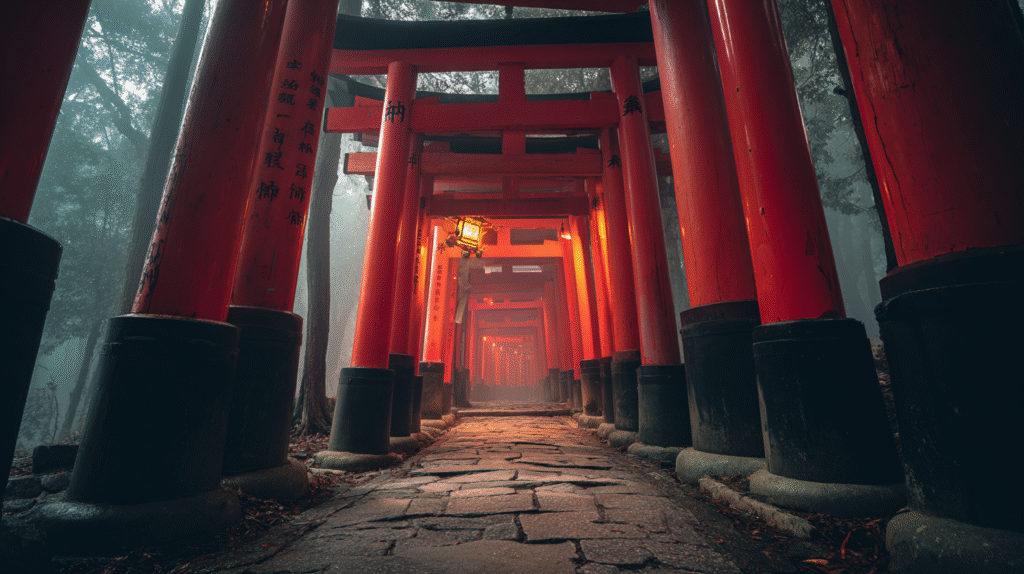
One of kekkai examples - Multilayered Torii (generated by Zenchantique through MJ)

Kekkai: Sacred Barriers in Japanese Culture – The Mystical Power of Shimenawa at Shinto Shrines

If you’ve watched popular anime like Inuyasha, Jujutsu Kaisen, or Kekkaishi, you’ve likely encountered the mysterious concept of “kekkai” (結界) – sacred barriers that divide space with supernatural power, protecting against evil spirits and misfortune. This mystical concept isn’t mere fantasy; it’s deeply rooted in the foundations of Japanese culture. Invisible Boundaries Creating Sacred Space

Kekkai: Sacred Barriers in Japanese Culture – The Mystical Power of Shimenawa at Shinto Shrines Read More »

Real Ryomen Sukuna - Original Jpeg

Ryomen Sukuna: The Ancient Japanese Demon King Behind Jujutsu Kaisen’s Most Feared Villain

In the phenomenally successful anime and manga series Jujutsu Kaisen, which has captivated audiences worldwide since 2020, the primary antagonist is a terrifying entity known as Ryomen Sukuna, the self-proclaimed “King of Curses.” With his four arms, immense power, and malevolent presence, this character has become one of the most iconic villains in contemporary Japanese

Ryomen Sukuna: The Ancient Japanese Demon King Behind Jujutsu Kaisen’s Most Feared Villain Read More »

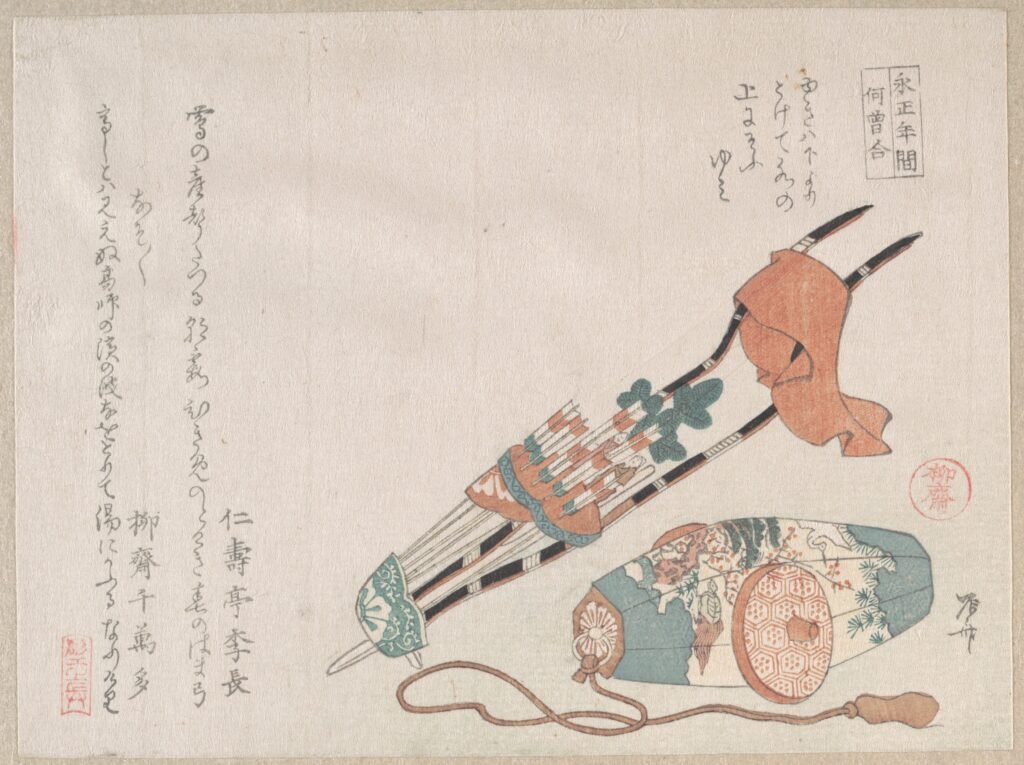
Hamaya and Hama-yumi and Buriburi-gitcho; Both Ceremonial Toys of Boys for the New Year

The Essence of Hamaya: Japan’s Sacred Arrow of Protection and Its Millennium-Long Design Legacy

The hamaya stands as an indispensable element of Japan’s New Year landscape. The meaning embedded in this single arrow transcends its role as a mere good luck charm, serving as a mirror reflecting the depths of Japanese spiritual culture. While the hamaya has gained widespread recognition among younger generations through anime like “Inuyasha,” where the

The Essence of Hamaya: Japan’s Sacred Arrow of Protection and Its Millennium-Long Design Legacy Read More »

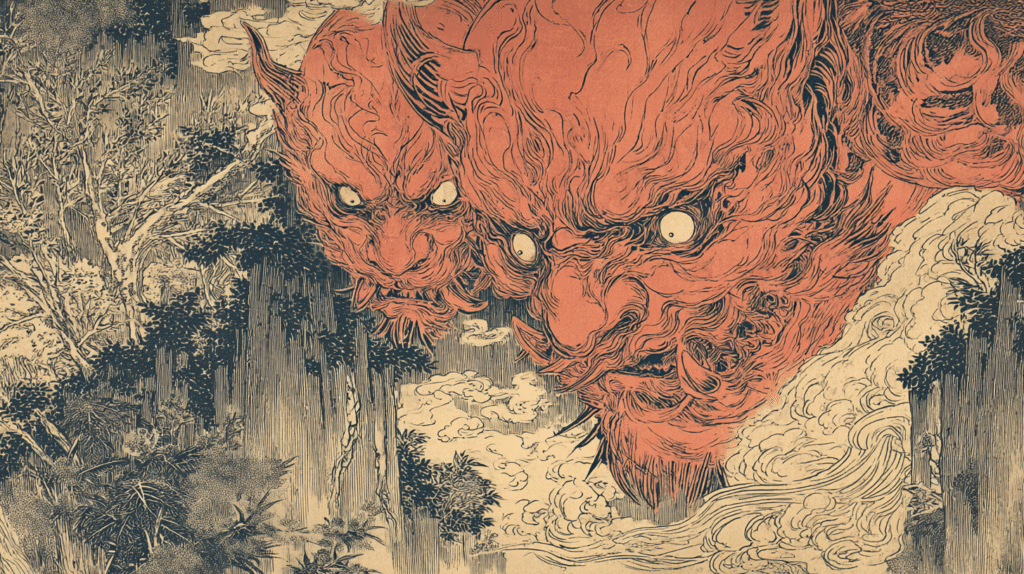
Ryōgen is known generally by the names of Ganzan Daishi (left) or One of Japanese Oni, Tsuno Daishi (right)

Japanese Oni Illustrations: The Protective Demon Art of Ganzan Daishi

While researching ancient Japanese manuscripts for historical illustrations, I stumbled upon a remarkable image in a text called Ganzan Daishi Hyakusen Wage (元三大師百籤和解). Within its pages, in a section addressing “Petitions to King Enma,” I found a striking Japanese oni illustration that immediately captured my attention. Initially, I assumed it depicted some malevolent yōkai or

Japanese Oni Illustrations: The Protective Demon Art of Ganzan Daishi Read More »

Japanese Mysticism - Jujutsu

Japanese Mysticism – Jujutsu: From Ancient Traditions to Modern Influence

The global success of anime series like “Jujutsu Kaisen” has recently thrust Japanese mysticism into the international spotlight. Behind these entertainment portrayals of flashy magical battles lies a rich cultural tradition with over a thousand years of history. The roots of Japanese mysticism run deep in traditional religious practices including Onmyōdō (the Way of Yin

Japanese Mysticism – Jujutsu: From Ancient Traditions to Modern Influence Read More »