ZENCHANTIQUE

Writer and journalist specializing in Japanese culture, arts, and design.

Zenchantique Site Lofo and Favicon
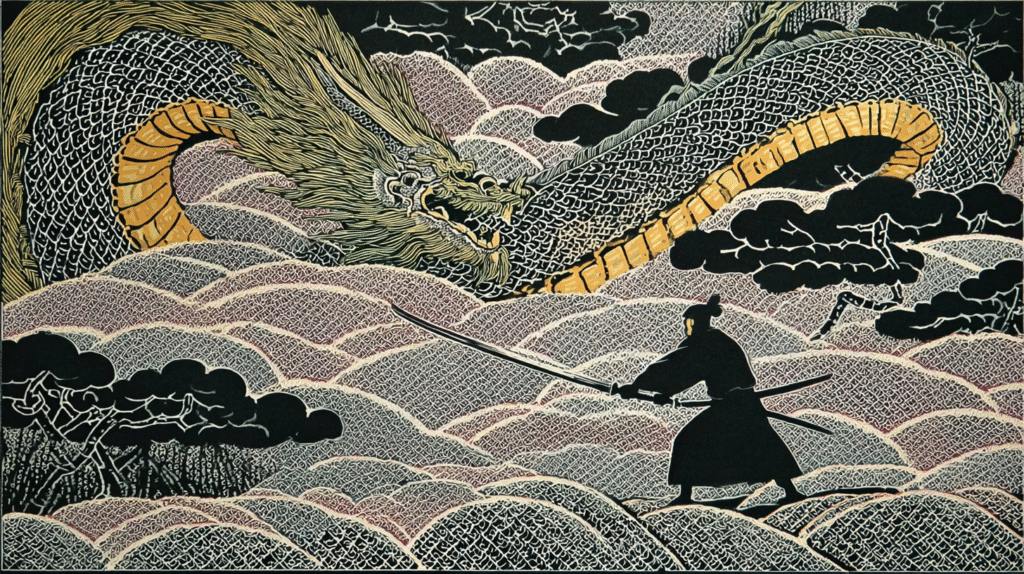
susanoo vs yamata no orochi

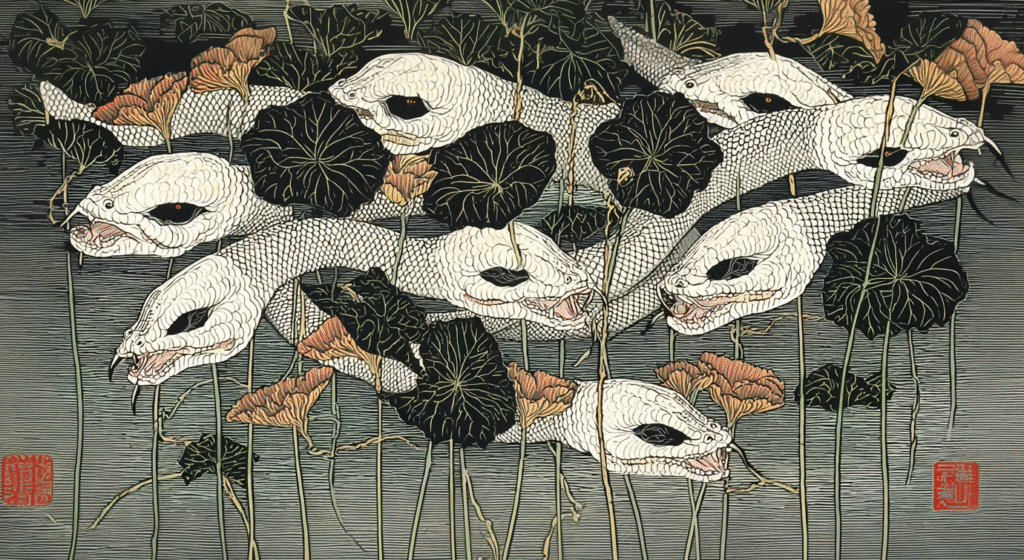
Yamata no Orochi: The Eight-Headed Serpent of Japanese Mythology – Japan’s Most Fearsome Dragon Decoded

Among all the creatures in Japanese mythology, none commands as overwhelming a presence as Yamata no Orochi (八岐大蛇, literally “eight-branched giant serpent”). Recorded as Yamata no Orochi in the Nihon Shoki (Chronicles of Japan, completed in 720 CE) and as Yamata no Orochi (八俣遠呂智) in the Kojiki (Records of Ancient Matters, completed in 712 CE)—Japan’s […]
Yamata no Orochi: The Eight-Headed Serpent of Japanese Mythology – Japan’s Most Fearsome Dragon Decoded Read More »

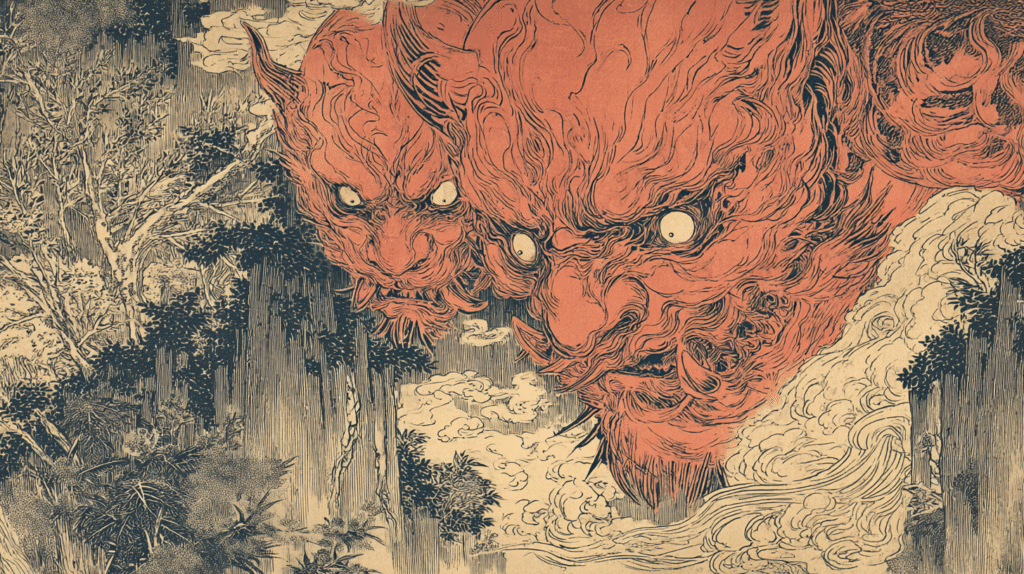
yamata no orochi

The Epic Tale of Yamata no Orochi: Susanoo’s Battle with the Eight-Headed Serpent in Japanese Mythology

Having explored the various interpretations and cultural significance of Yamata no Orochi in previous chapters, we now turn to the complete mythological narrative itself. This epic tale from Japanese mythology, primarily recorded in the Kojiki (712 CE) and Nihon Shoki (720 CE), stands as one of Japan’s most dramatic hero myths—comparable to Perseus and Medusa

The Epic Tale of Yamata no Orochi: Susanoo’s Battle with the Eight-Headed Serpent in Japanese Mythology Read More »

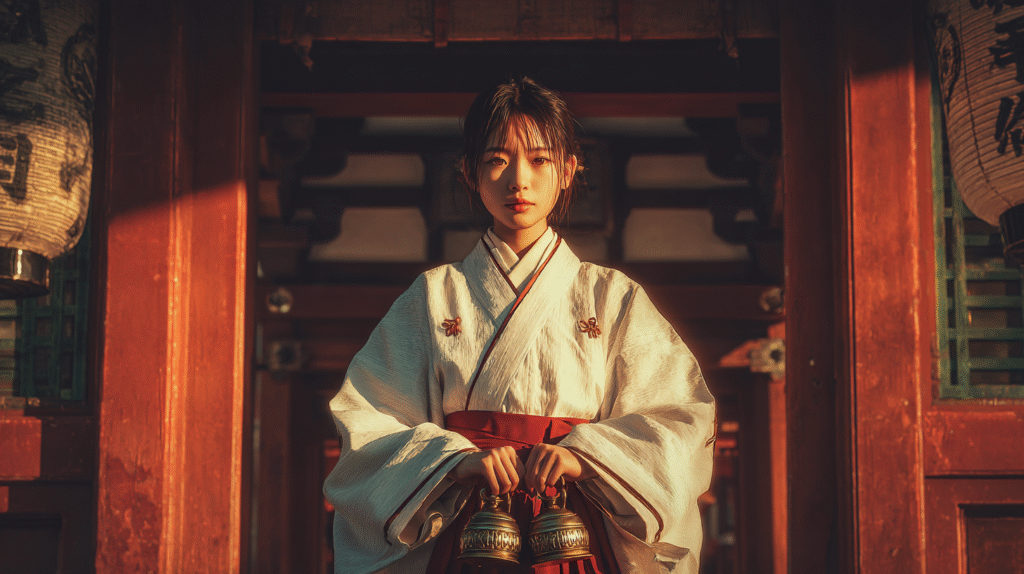
Typical modern Miko priestess in Japan

Sacred Women Who Dance with Gods: The Miko Priestess Tradition and Ame-no-Uzume, Japan’s First Divine Shaman

When visiting a Shinto shrine in Japan, you may encounter young women dressed in distinctive red and white garments. These are miko priestesses, sacred intermediaries between the divine and human realms who have played crucial roles in Japanese religious culture from ancient times to the present. To understand the origins of the miko priestess tradition,

Sacred Women Who Dance with Gods: The Miko Priestess Tradition and Ame-no-Uzume, Japan’s First Divine Shaman Read More »

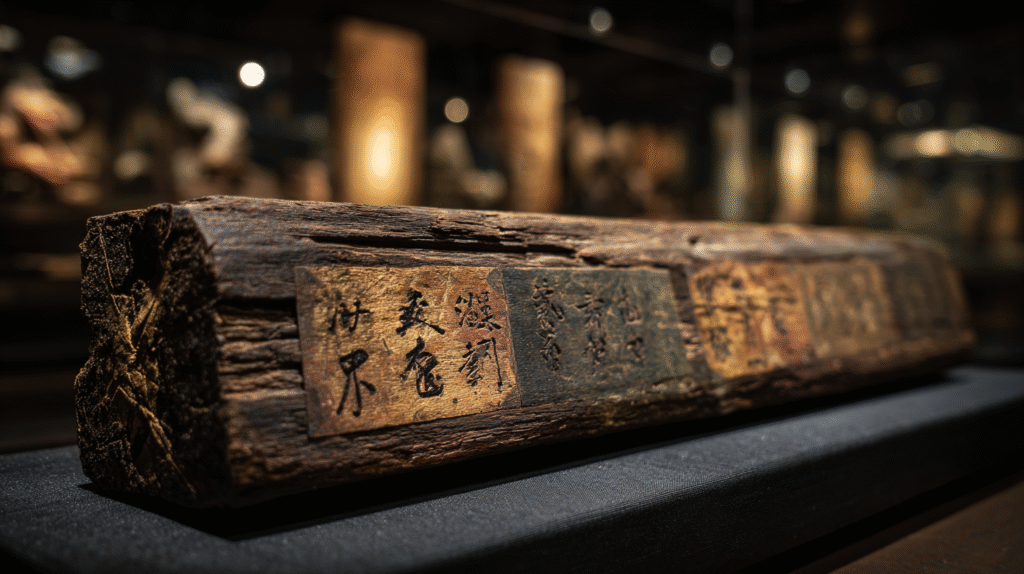
Imaginary look of The Legendary Ranjatai: Japan's Most Sacred Incense Wood That Captivated Oda Nobunaga

The Legendary Ranjatai: Japan’s Most Sacred Incense Wood That Captivated Oda Nobunaga

In the ancent city of Nara, within the hallowed halls of Todai-ji temple’s Shosoin repository, lies a piece of wood that has captivated Japan’s most powerful leaders for over a millennium. Known as Ranjatai (蘭奢待), this legendary incense wood represents one of the most treasured artifacts in Japanese cultural history, embodying the nation’s sophisticated aesthetic

The Legendary Ranjatai: Japan’s Most Sacred Incense Wood That Captivated Oda Nobunaga Read More »

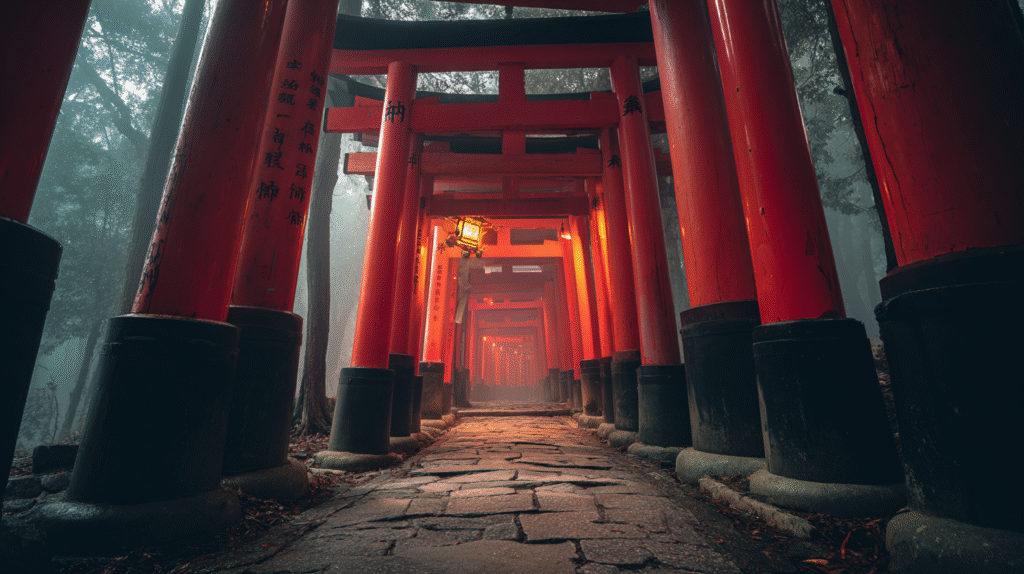
One of kekkai examples - Multilayered Torii (generated by Zenchantique through MJ)

Kekkai: Sacred Barriers in Japanese Culture – The Mystical Power of Shimenawa at Shinto Shrines

If you’ve watched popular anime like Inuyasha, Jujutsu Kaisen, or Kekkaishi, you’ve likely encountered the mysterious concept of “kekkai” (結界) – sacred barriers that divide space with supernatural power, protecting against evil spirits and misfortune. This mystical concept isn’t mere fantasy; it’s deeply rooted in the foundations of Japanese culture. Invisible Boundaries Creating Sacred Space

Kekkai: Sacred Barriers in Japanese Culture – The Mystical Power of Shimenawa at Shinto Shrines Read More »

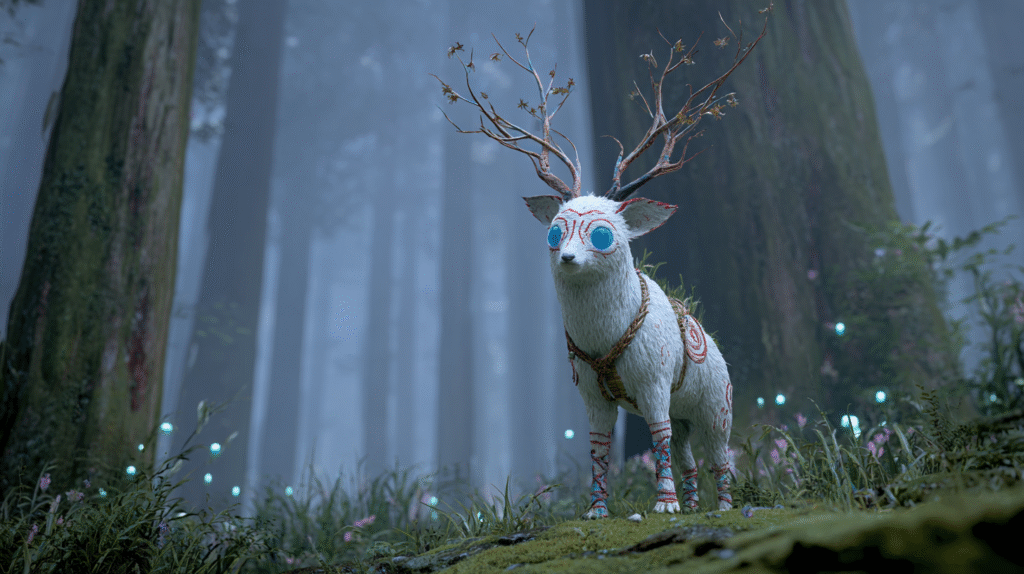
shishigami - Original Image by Zenchantique.com with MJ

The Mystery of Shishigami: Exploring the Japanese Mythological Roots of the Forest Spirit in Hayao Miyazaki’s Princess Mononoke

In Studio Ghibli’s masterpiece Princess Mononoke (1997), no character embodies mystery and divine power quite like the Shishigami Forest Spirit. This enigmatic deity, central to the film’s narrative, leaves viewers with an indelible impression while remaining shrouded in profound mystery. What many international audiences may not realize is that this Shishigami Forest Spirit draws inspiration

The Mystery of Shishigami: Exploring the Japanese Mythological Roots of the Forest Spirit in Hayao Miyazaki’s Princess Mononoke Read More »

Bugaku Dancers, one of art works showing Traditional Japanese Design from the MEt of Art museum.

The Ultimate Guide to Free Traditional Japanese Design Resources

Traditional Japanese design encompasses centuries of aesthetic philosophy, embodying concepts like seasonal awareness, reverence for nature, and the distinctive principles of “wabi-sabi” (the beauty found in imperfection and impermanence). The patterns known as “wagara” are not merely decorative elements but powerful symbols that reflect Japan’s cultural spirit. For instance, the “asanoha” (hemp leaf) pattern traditionally

The Ultimate Guide to Free Traditional Japanese Design Resources Read More »

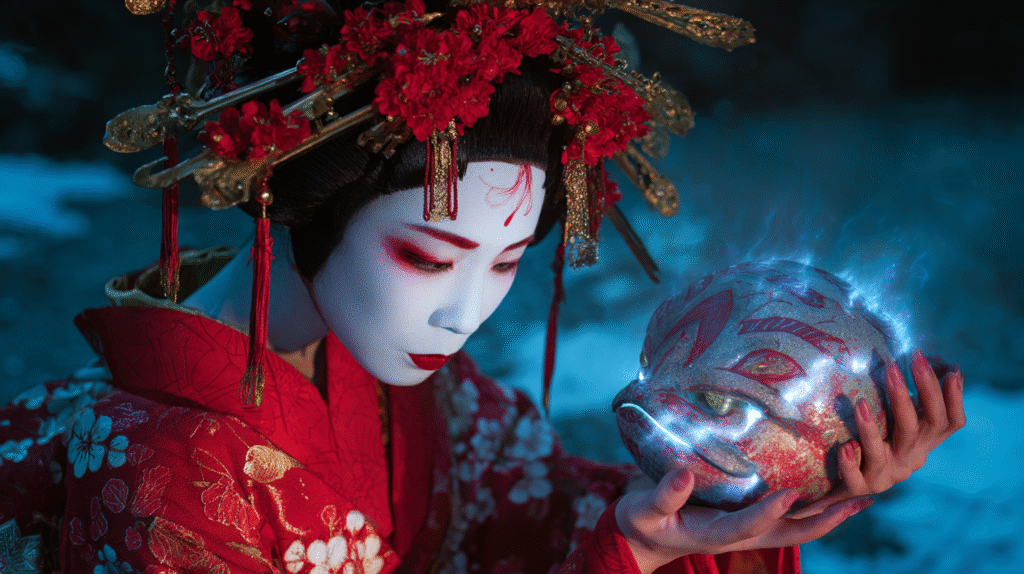
Yaegaki hime in Kabuki and Ukiyo e(Original Image by Zenchantique with MJ)

Yaegaki-hime in Ukiyo-e: Discovering the Beauty and Legend of Kabuki’s Most Beloved Princess Through 8 Masterpieces

When browsing through collections of ukiyo-e woodblock prints, one often encounters the graceful figure of a princess adorned in brilliant red kimono. This recurring image most likely depicts Yaegaki-hime, a fictional character who has captivated audiences in the kabuki theater world for centuries. But who exactly is this princess who fascinated Edo period audiences and

Yaegaki-hime in Ukiyo-e: Discovering the Beauty and Legend of Kabuki’s Most Beloved Princess Through 8 Masterpieces Read More »

Real Ryomen Sukuna - Original Jpeg

Ryomen Sukuna: The Ancient Japanese Demon King Behind Jujutsu Kaisen’s Most Feared Villain

In the phenomenally successful anime and manga series Jujutsu Kaisen, which has captivated audiences worldwide since 2020, the primary antagonist is a terrifying entity known as Ryomen Sukuna, the self-proclaimed “King of Curses.” With his four arms, immense power, and malevolent presence, this character has become one of the most iconic villains in contemporary Japanese

Ryomen Sukuna: The Ancient Japanese Demon King Behind Jujutsu Kaisen’s Most Feared Villain Read More »

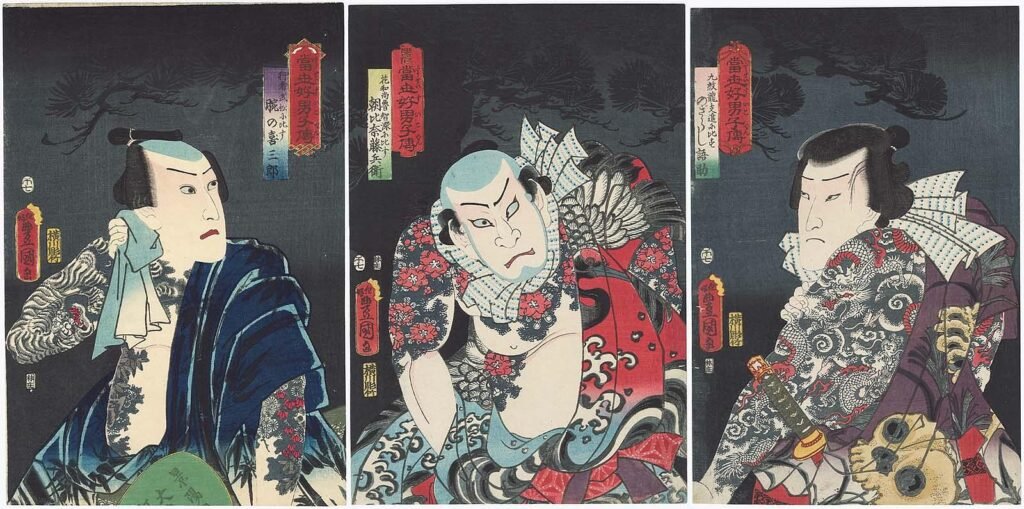
Utagawa Kunisada I (Toyokuni III) Actores tatuados

Japanese Traditional Tattoo: How Kunisada’s Theatrical Vision Transformed Ukiyo-e and Irezumi into High Art

Following our exploration of how ukiyo-e brought irezumi to life and Kuniyoshi’s revolutionary Water Margin series, we now turn to another giant of the ukiyo-e world whose contribution to Japanese traditional tattoo art deserves equal recognition. Utagawa Kunisada (1786-1864), known as one of the most prolific and successful ukiyo-e artists of the late Edo period,

Japanese Traditional Tattoo: How Kunisada’s Theatrical Vision Transformed Ukiyo-e and Irezumi into High Art Read More »