ZENCHANTIQUE

Writer and journalist specializing in Japanese culture, arts, and design.

Zenchantique Site Lofo and Favicon
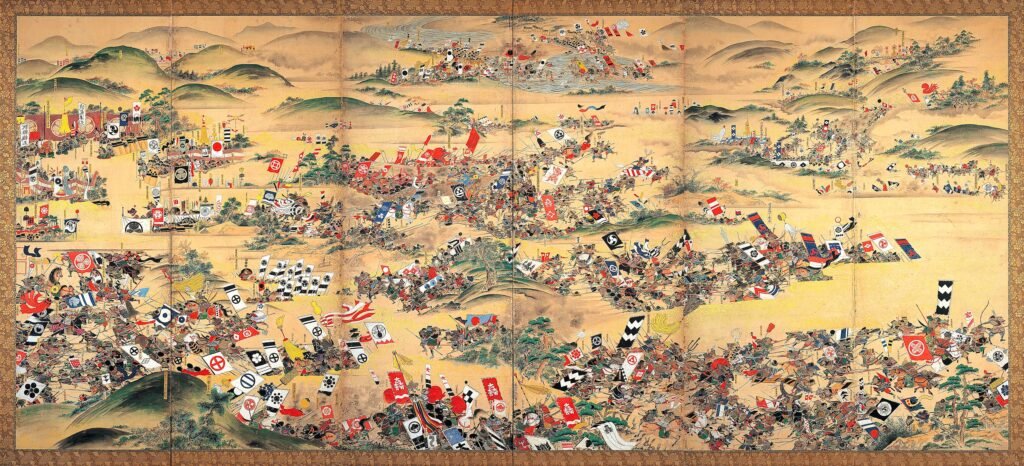
Japanese screen depicting the Battle of Sekigahara showing various Japanese Family Crests in the drawing.

The Art and Symbolism of Japanese Family Crests: A Design Legacy

Japanese family crests, known as “kamon” or simply “mon,” represent a unique heraldic system unparalleled in their refinement and symbolism. Emerging in the late Heian period (around the 12th century) within samurai society, Japanese family crest initially served the practical purpose of identifying allies on the battlefield. During the Kamakura and Muromachi periods, they evolved […]

The Art and Symbolism of Japanese Family Crests: A Design Legacy Read More »
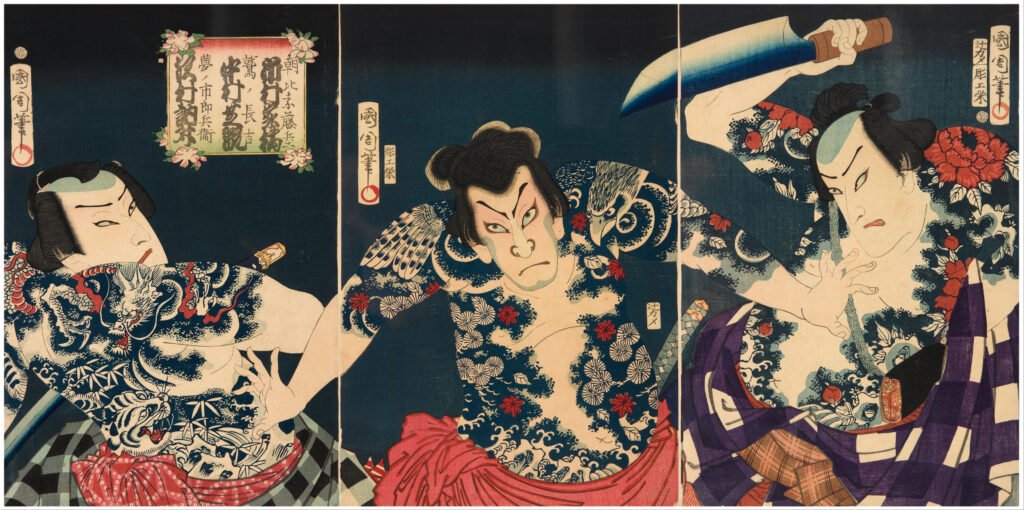
Toyohara Kunichika The kabuki actors 28right to left29 Ichimura Kakitsu IV as Asahina Tobei2C Nakamura Shikan IV as Washi . Google Art Project

Japanese Traditional Tattoo: How Kuniyoshi’s Water Margin Revolutionized Irezumi Art Forever

In our previous article, “Japanese Traditional Tattoo: The Stunning Legacy of Ukiyo-e That Brought Irezumi to Life,” we explored the profound connection between Japanese woodblock prints and tattoo culture. Building upon that foundation, this second installment in our “Japanese Traditional Tattoo and Ukiyo-e” series focuses on the revolutionary artist who single-handedly transformed both art forms:

Japanese Traditional Tattoo: How Kuniyoshi’s Water Margin Revolutionized Irezumi Art Forever Read More »

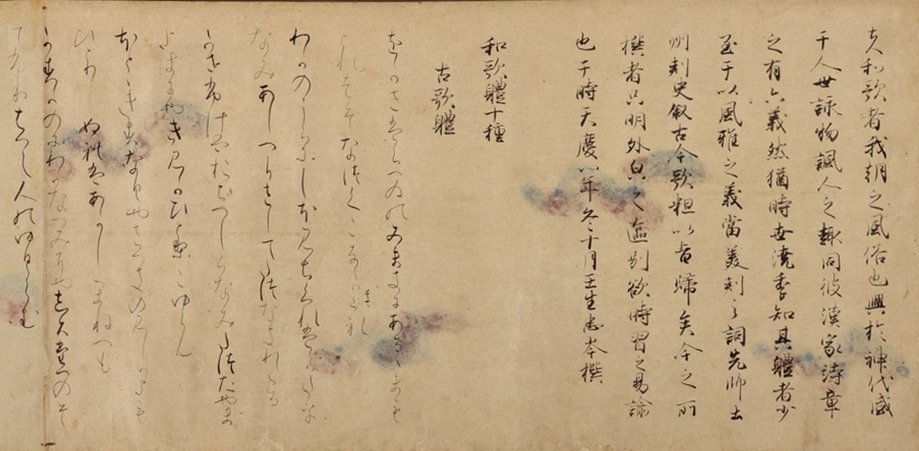
Waka showing Japanese ”I love you”

Stylish Ways to Say “I Love You” in Japanese: Beautiful Expressions Perfect for Tattoos and Design

In Japanese culture, expressing love follows a distinctly different aesthetic from Western traditions. Rather than direct declarations like “I love you in Japanese” (愛している – aishiteru), the culture values scenic metaphors, poetic implications, and the beauty of unspoken emotions. This represents the depth and delicacy of language that the Japanese have cultivated throughout their long

Stylish Ways to Say “I Love You” in Japanese: Beautiful Expressions Perfect for Tattoos and Design Read More »

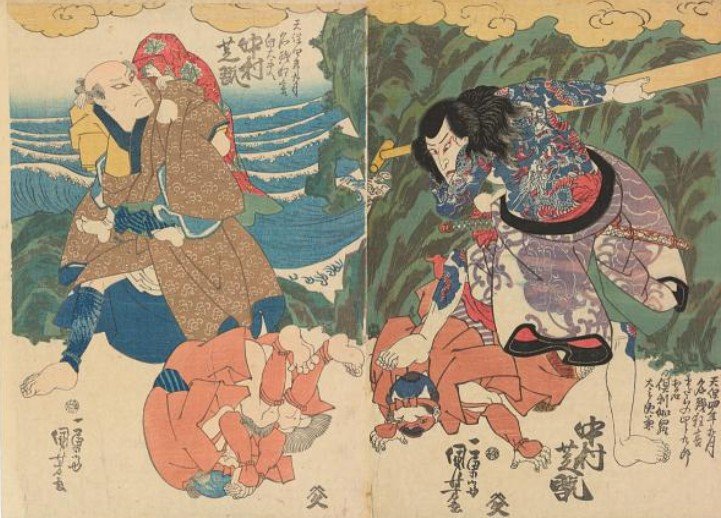
Nakamura Shikan II in Two Roles, Japanese Traditional Tattoo in Ukiyo-e

Japanese Traditional Tattoo: The Stunning Legacy of Ukiyo-e That Brought Irezumi to Life

In Japanese traditional culture, the relationship between tattoos and woodblock prints represents one of the most fascinating artistic collaborations in history. Japanese Traditional Tattoo, known as Irezumi, and Ukiyo-e prints emerged from the same cultural environment of the Edo period (1603-1868), creating a distinctive aesthetic world through their mutual influence. This exploration traces the surprising

Japanese Traditional Tattoo: The Stunning Legacy of Ukiyo-e That Brought Irezumi to Life Read More »

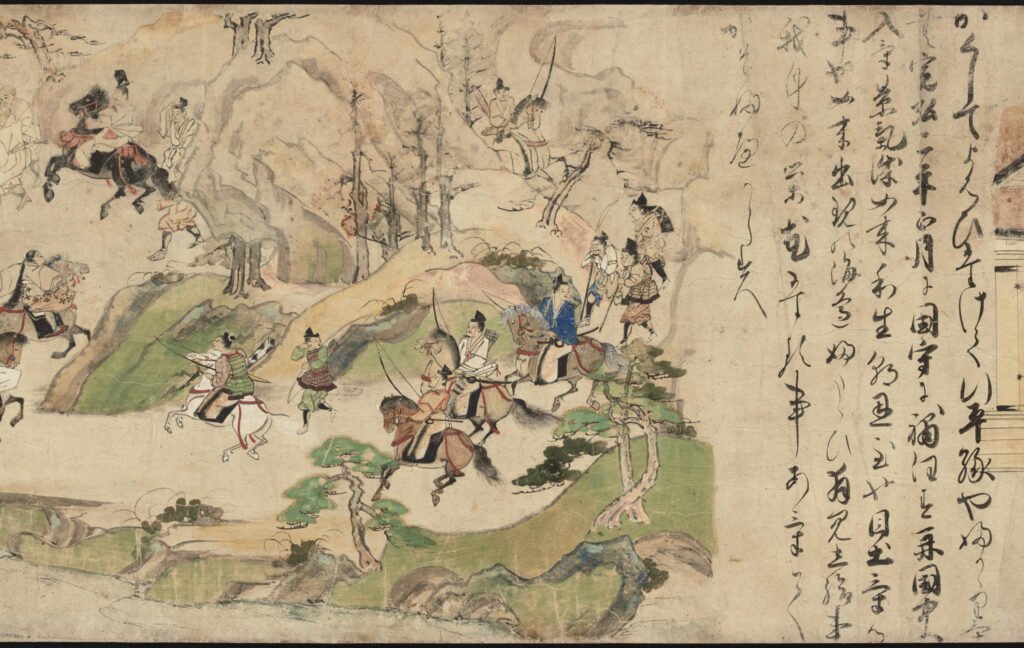
The Inaba-do Engi Emaki: A Masterpiece of Medieval Japanese Scroll Paintings

Japanese Scroll Paintings Unveiled: The Hidden Story of the Inaba-do Engi Emaki

Japanese scroll paintings, known as emakimono or simply emaki, represent a unique art form that flourished from the Heian period (794-1185) through the Muromachi period (1336-1573). These narrative handscrolls combine text passages (kotobagaki) with paintings to create a distinctive artistic expression. Among the various genres of Japanese scroll paintings, temple and shrine origin stories (jisha

Japanese Scroll Paintings Unveiled: The Hidden Story of the Inaba-do Engi Emaki Read More »

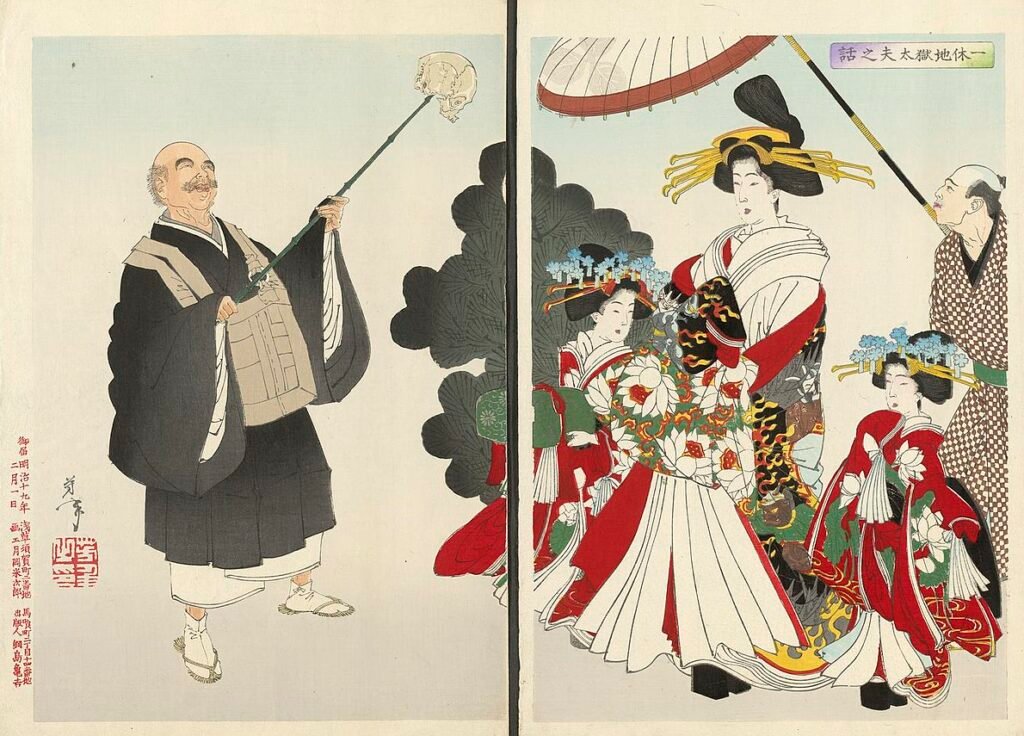
Hell Coutesan and Ikkyu

Hell Courtesan (Jigoku Tayu): The Legendary Beauty Who Lived Between Desire and Enlightenment

Anyone familiar with Japanese art has likely encountered the enigmatic figure known as Hell Courtesan (Jigoku Tayu). This legendary courtesan from the Muromachi period (1336-1573) continues to captivate audiences through her distinctive name and the mesmerizing portraits created by numerous ukiyo-e artists. This article explores the life of Hell Courtesan (Jigoku Tayu) and examines her

Hell Courtesan (Jigoku Tayu): The Legendary Beauty Who Lived Between Desire and Enlightenment Read More »

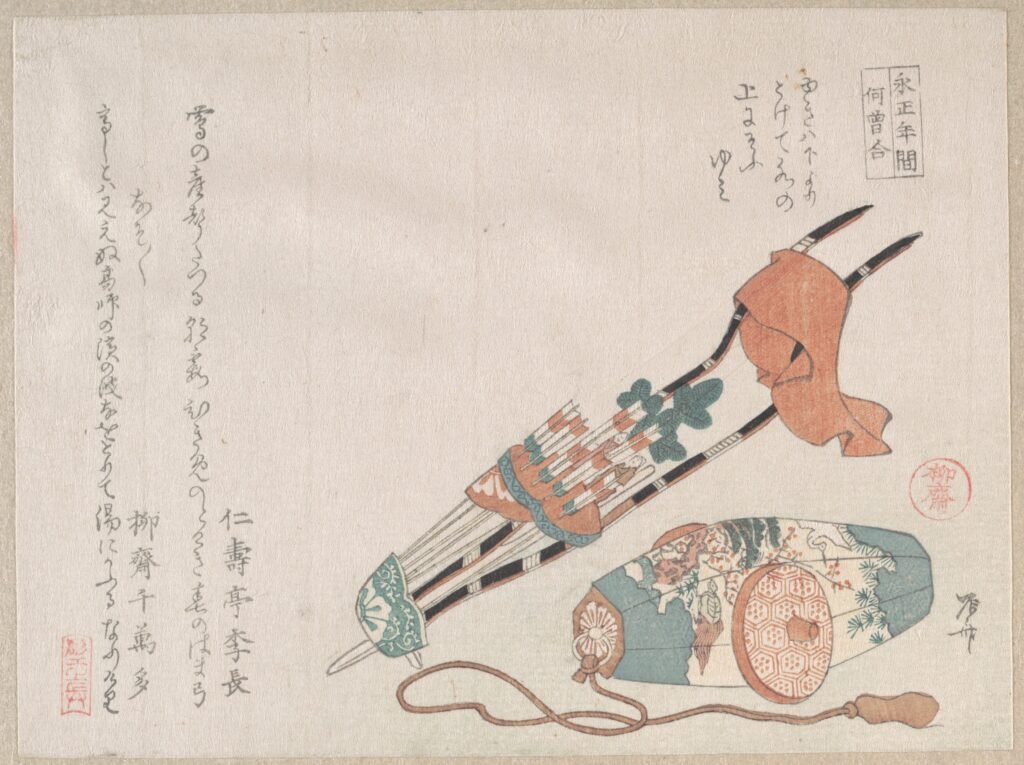
Hamaya and Hama-yumi and Buriburi-gitcho; Both Ceremonial Toys of Boys for the New Year

The Essence of Hamaya: Japan’s Sacred Arrow of Protection and Its Millennium-Long Design Legacy

The hamaya stands as an indispensable element of Japan’s New Year landscape. The meaning embedded in this single arrow transcends its role as a mere good luck charm, serving as a mirror reflecting the depths of Japanese spiritual culture. While the hamaya has gained widespread recognition among younger generations through anime like “Inuyasha,” where the

The Essence of Hamaya: Japan’s Sacred Arrow of Protection and Its Millennium-Long Design Legacy Read More »

Japanese architectural aesthetics

Dancing with Contradictions: How Japanese Architectural Aesthetics Transforms Paradox into Beauty | Exploring Japanese Architectural Aesthetics Series – Part 2 

Exploring Japanese Architectural Aesthetics Series – Part 2 Japanese Architecture (Kuma Kengo) Through a mysterious wooden box and revolutionary insights at Katsura Villa, discover how Japanese architectural aesthetics transforms contradictions into beauty—teaching us to dance with paradox rather than resolve it. The Art of the Both/And In a small wooden box lies the secret of

Dancing with Contradictions: How Japanese Architectural Aesthetics Transforms Paradox into Beauty | Exploring Japanese Architectural Aesthetics Series – Part 2  Read More »

Ryōgen is known generally by the names of Ganzan Daishi (left) or One of Japanese Oni, Tsuno Daishi (right)

Japanese Oni Illustrations: The Protective Demon Art of Ganzan Daishi

While researching ancient Japanese manuscripts for historical illustrations, I stumbled upon a remarkable image in a text called Ganzan Daishi Hyakusen Wage (元三大師百籤和解). Within its pages, in a section addressing “Petitions to King Enma,” I found a striking Japanese oni illustration that immediately captured my attention. Initially, I assumed it depicted some malevolent yōkai or

Japanese Oni Illustrations: The Protective Demon Art of Ganzan Daishi Read More »

Traditional Japanese Tattoos

The Legacy of Traditional Japanese Tattoos: Art, Culture and Symbolism

Irezumi or horimono (Traditional Japanese Tattoos) represent far more than mere body decoration. They embody a complex cultural tradition with deep historical roots and profound symbolic significance. The distinctive style that flourished during the Edo period (1603-1868), called “wabori,” developed unparalleled artistic complexity, creating a body art tradition admired worldwide for its technical refinement and

The Legacy of Traditional Japanese Tattoos: Art, Culture and Symbolism Read More »