Kumiko Patterns

Bugaku Dancers, one of art works showing Traditional Japanese Design from the MEt of Art museum.

The Ultimate Guide to Free Traditional Japanese Design Resources

Traditional Japanese design encompasses centuries of aesthetic philosophy, embodying concepts like seasonal awareness, reverence for nature, and the distinctive principles of “wabi-sabi” (the beauty found in imperfection and impermanence). The patterns known as “wagara” are not merely decorative elements but powerful symbols that reflect Japan’s cultural spirit. For instance, the “asanoha” (hemp leaf) pattern traditionally

The Ultimate Guide to Free Traditional Japanese Design Resources Read More »

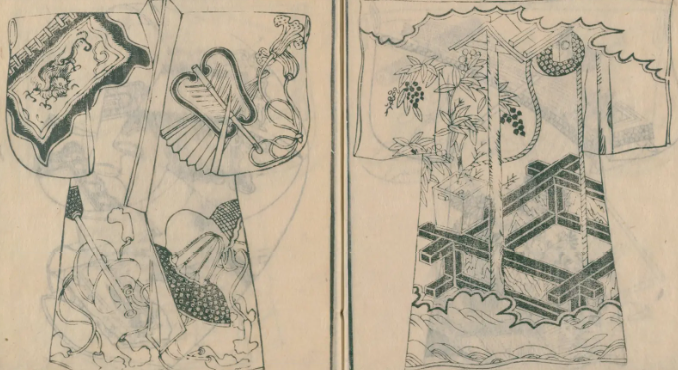
Traditional Kimono Patterns from the Meiji-Era "Yachigusa" Design Manual

[Free Download] Over 120 Traditional Kimono Patterns from the Meiji-Era “Yachigusa” Design Manual

The vibrant Yuzen kimono adorning Kyoto’s historic streets represent the quintessence of Japanese aesthetic sensibility and technical mastery. Now, an invaluable resource showcasing traditional kimono patterns from the Meiji era (1868-1912) has been made freely available through the Smithsonian Institution’s digital archives. This rare pattern book, “Yachigusa” (Eight Thousand Grasses), typically fetches between 30,000-40,000 yen

[Free Download] Over 120 Traditional Kimono Patterns from the Meiji-Era “Yachigusa” Design Manual Read More »

One image from Book of Edo Period Women Materials , Onna Yō Kinmō Zui Vol.4

[Free Download] Powerhouse: Edo Period Women Materials – “Onna Yō Kinmō Zui”

From anime character design to haute-couture look-books, the global creative scene has rediscovered the poetic minimalism and bold patterning of Edo Period Women Materials. Yet reliable, high-resolution sources were scarce—until the National Diet Library (NDL) placed the complete five-volume “Onna Yō Kinmō Zui” online for free, unrestricted use. If your project calls for authentic kimono

[Free Download] Powerhouse: Edo Period Women Materials – “Onna Yō Kinmō Zui” Read More »

"Shinko Moyōshū" - A Treasury of Japanese Traditional Patterns by Meiji-Era Master Haruna Shigeharu

[Free Download] “Shinko Moyōshū” – A Treasury of Japanese Traditional Patterns by Meiji-Era Master Haruna Shigeharu

Throughout history, Japanese traditional patterns have captivated admirers worldwide with their delicate aesthetics and profound symbolism. “Shinko Moyōshū” (New and Old Pattern Collection), created by Haruna Shigeharu—a master ceramic artist who flourished during the Meiji and Taisho periods (1868-1926)—represents a remarkable compilation of these timeless design elements. Following our previous article on Haruna’s “Toki Zukan”

[Free Download] “Shinko Moyōshū” – A Treasury of Japanese Traditional Patterns by Meiji-Era Master Haruna Shigeharu Read More »

kumiko patterns

Kumiko Patterns: Tradition and Symbolism – Distinctive Motifs and Combination Masterpieces

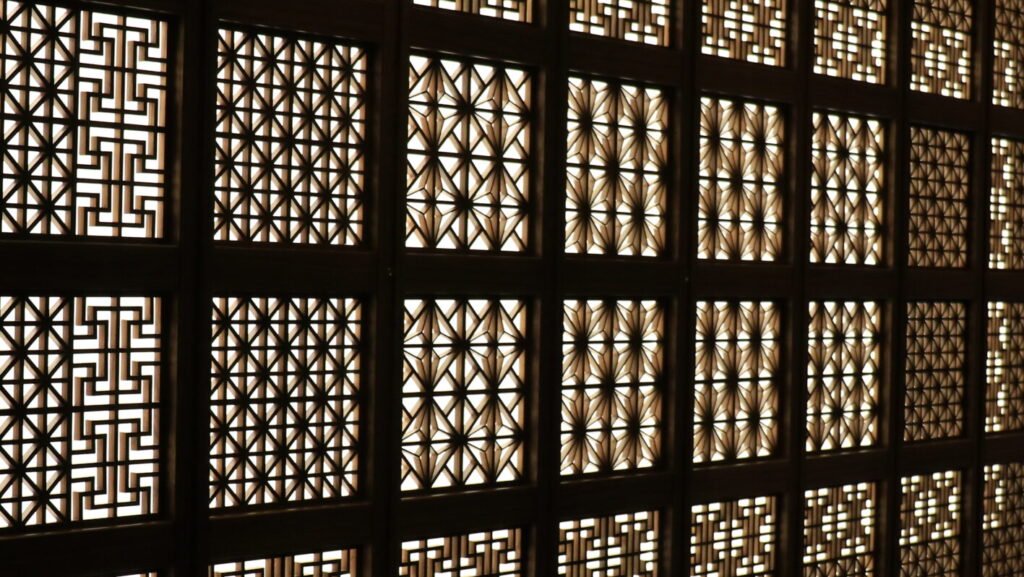
We’ve reached the final installment in our series on traditional Japanese Kumiko patterns. Following our previous articles on Hemp Leaf, Diamond and Lattice, and Tortoise Shell and Basketweave patterns, we now explore distinctive motifs and complex designs that symbolically express natural beauty, practical wisdom, and human aspirations. To View the Complete List of 40 Kumiko

Kumiko Patterns: Tradition and Symbolism – Distinctive Motifs and Combination Masterpieces Read More »

kumiko patterns

Kumiko Patterns: Tradition and Symbolism – Tortoise Shell and Basketweave Artistry

The traditional Japanese craft of Kumiko joins wooden pieces without nails through precise interlocking, creating intricate geometric patterns that embody Japanese aesthetic sensibilities and spiritual values. Following our explorations of hemp leaf and diamond/lattice designs, this article examines tortoise shell and basketweave Kumiko patterns. These designs, based on hexagonal shapes and circular rings, express cherished

Kumiko Patterns: Tradition and Symbolism – Tortoise Shell and Basketweave Artistry Read More »

kumiko patterns

Kumiko Patterns: Tradition and Symbolism – Diamond and Lattice Structures

The Japanese craft of Kumiko—wooden lattice work created without nails through precise joinery—represents a geometric art form that transcends mere decoration. Following our exploration of hemp leaf patterns, this article examines the diamond and lattice Kumiko patterns, revealing their historical significance, symbolic meanings, and enduring appeal in contemporary design. To View the Complete List of

Kumiko Patterns: Tradition and Symbolism – Diamond and Lattice Structures Read More »

Kimono Patterns through Japan’s Historical Archives

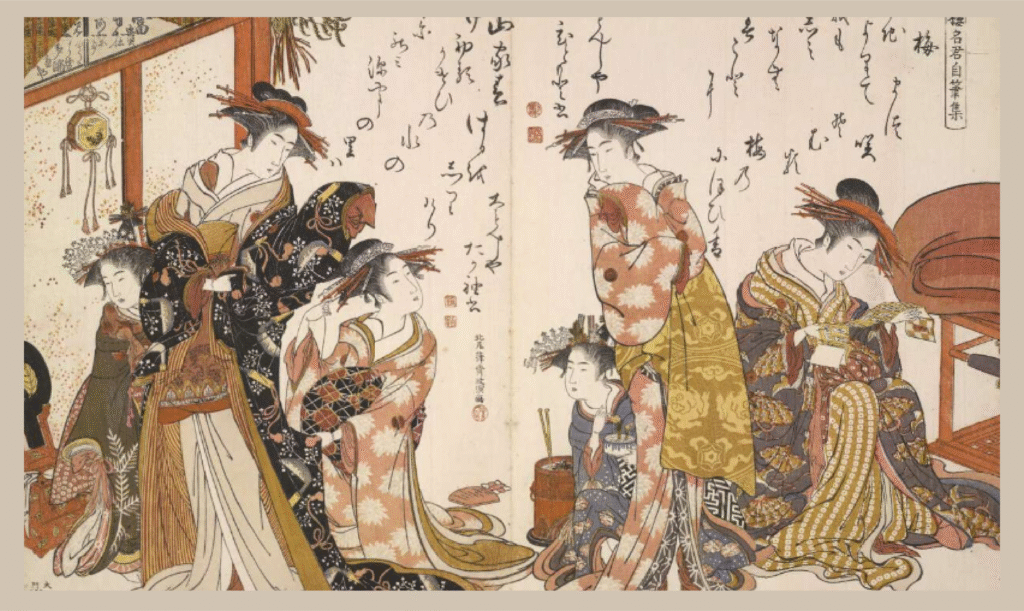
The Art of Edo-Period Kimono: Patterns, Trends, and Symbolism

When you picture Japan’s cultural heritage, the elegant silhouette of a kimono likely comes to mind. But the kimono (着物)—literally meaning “thing to wear”—is far more than just clothing. Especially during the Edo period (1603–1868), the kimono became a canvas of personal identity, artistic innovation, and intricate symbolism. In this article, we explore the hidden

The Art of Edo-Period Kimono: Patterns, Trends, and Symbolism Read More »

Japanese wooden kumiko patterns

Kumiko Patterns: Tradition and Symbolism – The Sacred Geometry of Hemp Leaf Designs

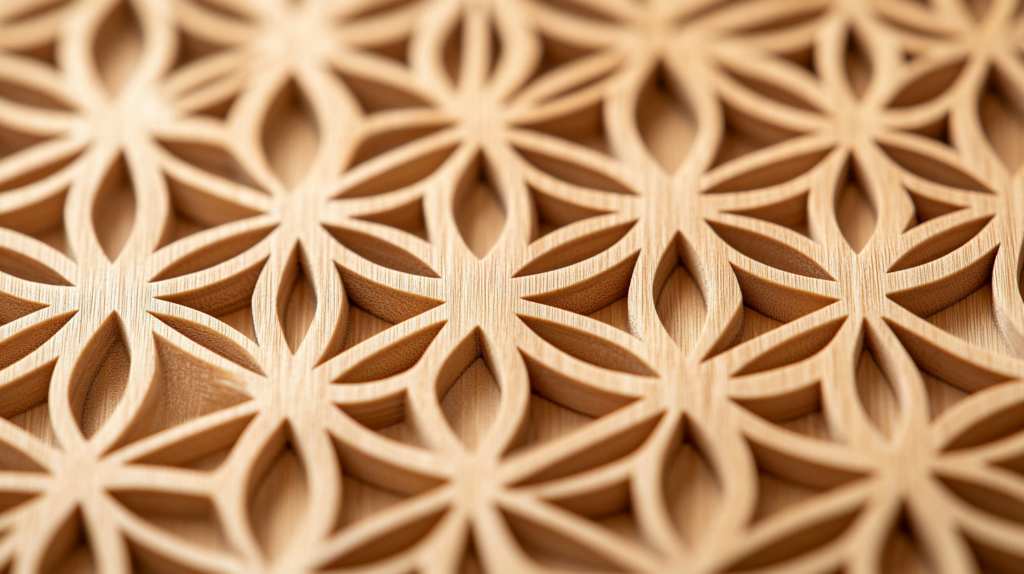
Among Japan’s traditional architecture and crafts, few elements radiate such distinctive beauty as “Kumiko.” These delicate wooden lattice works create geometric patterns that transcend mere decoration, serving as mirrors reflecting Japanese prayers, wishes, and perspectives on nature. In this article, we focus on the “Asanoha” (hemp leaf) pattern and its derivatives, delving deep into their

Kumiko Patterns: Tradition and Symbolism – The Sacred Geometry of Hemp Leaf Designs Read More »

kumiko patterns

Kumiko Patterns: Tradition and Symbolism – An Introduction to Japanese Art

Kumiko patterns—intricate wooden latticework joined without nails—represent a pinnacle of Japanese craftsmanship that has captivated woodworkers and design enthusiasts for centuries. After publishing a simple introduction to these patterns, I was surprised by the enthusiastic response, which inspired me to create a comprehensive guide exploring 40 distinctive Kumiko patterns and their symbolic meanings. This article

Kumiko Patterns: Tradition and Symbolism – An Introduction to Japanese Art Read More »