
Visitors to Japanese shrines and temples often notice small paper slips densely affixed to pillars and eaves. These miniature artworks, known as “senjafuda” (千社札), represent one of Japan’s most fascinating yet overlooked Traditional Japanese Illustrated Nameplates. What may appear to casual observers as simple devotional markers actually embodies centuries of Japanese aesthetic sensibility and craftsmanship. Today, we dive into the exquisite world of these illustrated nameplates through the remarkable historical resource “Senjafuda Zokushu.”
The Evolution of Traditional Japanese Illustrated Nameplates
Senjafuda, literally meaning “thousand shrine slips,” originated before the Edo period (1603-1868). Initially, pilgrims wrote poems or prayers on wooden tablets and left them at religious sites. Over time, these evolved into paper versions and eventually into woodblock-printed nameplates.
By the mid-Edo period, what began as simple devotional offerings transformed into a cultural phenomenon. This evolution was partly driven by a folk belief that posting one’s nameplate carried the same spiritual merit as an overnight stay at the shrine or temple—known as “sanrō” (参籠). For those unable to undertake extended pilgrimages, leaving behind a Traditional Japanese Illustrated Nameplate became a meaningful alternative.
Two Faces of Traditional Japanese Illustrated Nameplate Culture
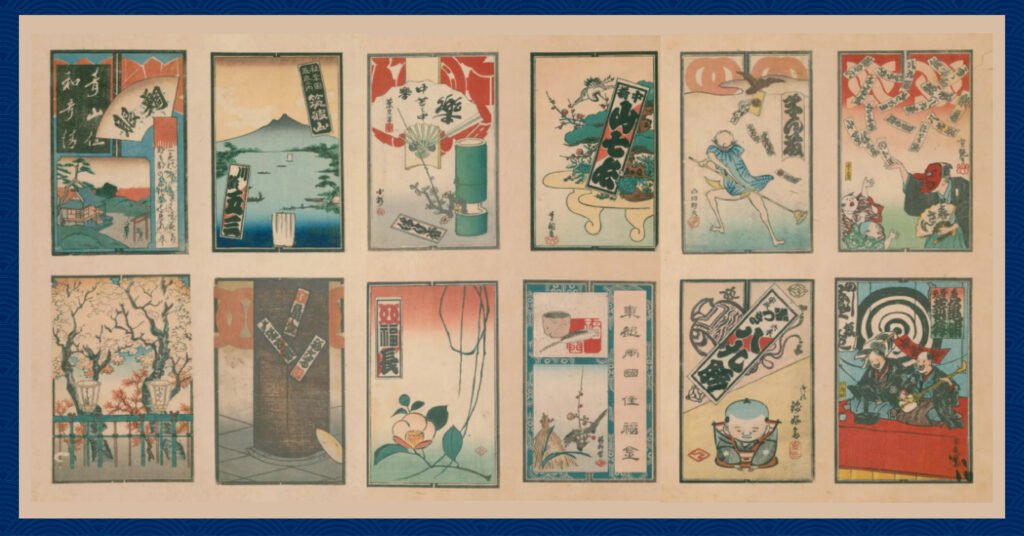
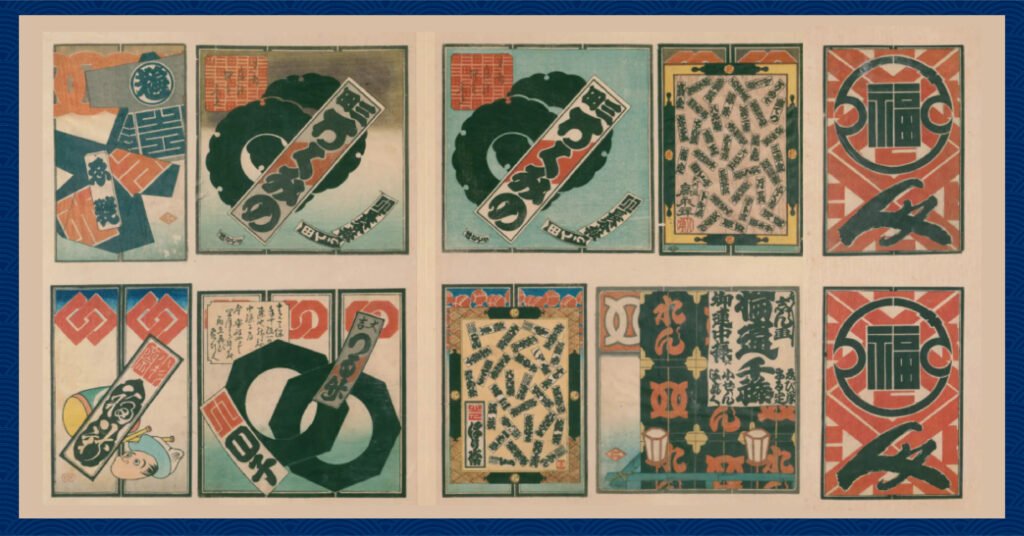
Traditional Japanese Illustrated Nameplates developed into two distinct varieties. The first, called “harifuda” (貼札) or “daimei-fuda,” were simple monochrome prints featuring family crests, place names, and personal names—designed specifically for posting at religious sites.
The second category, known as “irofuda” (色札) or “exchange nameplates,” represents the artistic pinnacle of this tradition. These colorful, intricately designed pieces were not intended for shrine posting but rather for collecting and trading among enthusiasts—essentially functioning as Edo-period trading cards. Master artists like Utagawa Yoshikane and Baiso-tei Gengyo specialized in creating these miniature masterpieces, producing astonishingly detailed illustrations within such limited space.
For Western readers unfamiliar with this concept, senjafuda collecting in Edo Japan shared similarities with modern baseball card or stamp collecting, but with deeper cultural and religious significance. These nameplates became a form of self-expression long before social media, allowing ordinary citizens to commemorate their pilgrimages and showcase their aesthetic sensibilities.
“Senjafuda Zokushu”—A Treasury of Traditional Japanese Illustrated Nameplates
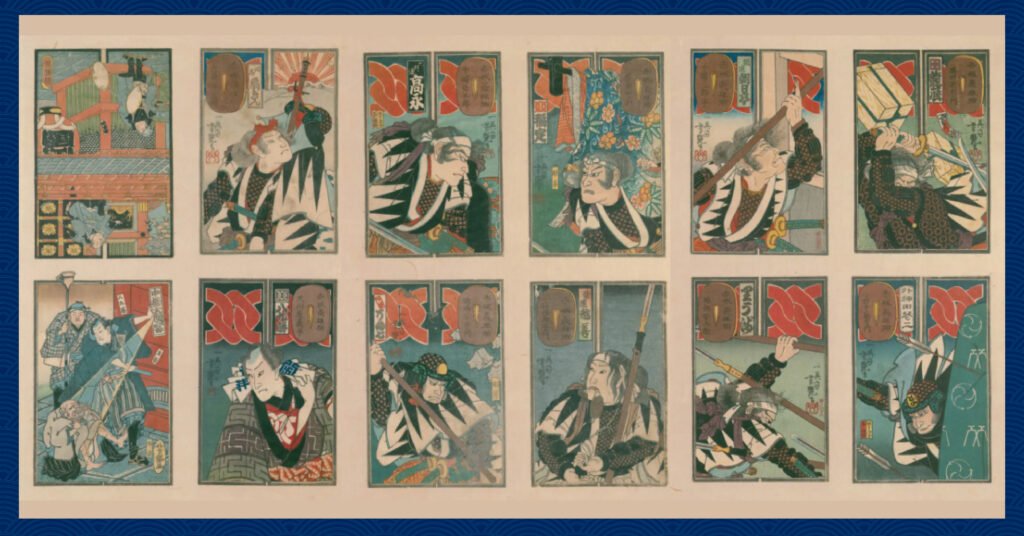
The “Senjafuda Zokushu” (千社札続集), available through the National Diet Library Digital Collections, comprises three volumes of nameplate designs. This invaluable resource showcases a stunning variety of Traditional Japanese Illustrated Nameplates, from simple name cards to elaborate multi-colored prints depicting landscapes, kabuki actors, and scenes from popular stories.
The artistic achievement represented in these miniature formats highlights the quintessential Japanese appreciation for compact beauty. Within these tiny rectangular spaces—typically measuring just a few square inches—artisans created compositions with perfect balance, vivid colors, and remarkable detail. This extreme miniaturization required extraordinary skill from both the carvers who produced the woodblocks and the printers who applied multiple colors with precise registration.
Art historians suggest these Traditional Japanese Illustrated Nameplates may have served as technical proving grounds for ukiyo-e artists, allowing them to experiment with composition and color techniques that would later influence larger format prints. For contemporary designers, these nameplates offer timeless lessons in visual storytelling within constrained spaces.
Traditional Japanese Illustrated Nameplates in the Digital Age
The “Senjafuda Zokushu” collection has now entered the public domain, with all copyright protections expired. This means these beautiful Traditional Japanese Illustrated Nameplates are freely available for download through the National Diet Library Digital Collections, opening up a world of authentic Japanese design elements for contemporary creative use.
This digitization represents a remarkable bridge between Edo-period aesthetic sensibilities and twenty-first century design practices. The miniature artworks that once circulated among Japanese collectors can now inspire global creative communities, demonstrating how Traditional Japanese Illustrated Nameplates remain relevant centuries after their creation.
The Japanese Aesthetic Philosophy Behind These Illustrated Nameplates
The appeal of Traditional Japanese Illustrated Nameplates extends beyond their visual beauty. They embody the distinctive Japanese reverence for miniaturization—a cultural tendency to respect and find beauty in small things. The artistic challenge lay in how much information and beauty could be condensed into such limited space, resulting in this unique art form.
Additionally, senjafuda reflect the democratic nature of Edo-period culture. While Japan maintained a rigid social hierarchy, these nameplates provided ordinary citizens with a means of artistic self-expression and a way to record their existence for posterity. This desire for personal commemoration, aesthetically elevated through culture, reveals an early form of the self-expression impulse that now manifests through blogs and social media.
Rediscovering Japan’s Heritage Through Traditional Japanese Illustrated Nameplates
The “Senjafuda Zokushu” collection shines as a jewel in the exploration of Japanese traditional illustration. Anyone interested in Japanese visual culture, design history, or traditional art techniques will find these nameplates invaluable for research or inspiration.
The National Diet Library Digital Collections offers free access to this cultural treasure at:
This opportunity to explore the world of Traditional Japanese Illustrated Nameplates allows contemporary audiences to appreciate the meticulous beauty and common aesthetic sensibilities of Edo-period Japan. These small slips of paper carry an outsized cultural legacy that continues to inspire creative expression across cultural and temporal boundaries.
Whether you’re a designer seeking authentic Japanese motifs, a historian researching visual culture, or simply an admirer of Japanese aesthetics, the world of Traditional Japanese Illustrated Nameplates offers a window into Japan’s artistic soul—proof that sometimes the most profound cultural expressions come in the smallest packages.
Explore More Free Downloadable Resources
If you’re interested in discovering more freely downloadable historical Japanese art resources for your creative projects, click the banner below. Our curated collection includes additional ukiyo-e prints, kimono pattern books, and rare illustrated manuscripts that offer authentic glimpses into Japan’s artistic heritage. Continue your journey through the floating world and beyond with these carefully selected visual treasures from Japan’s golden age of woodblock printing.
