ZENCHANTIQUE

Writer and journalist specializing in Japanese culture, arts, and design.

Zenchantique Site Lofo and Favicon
Japanese Mysticism - Jujutsu

Japanese Mysticism – Jujutsu: From Ancient Traditions to Modern Influence

The global success of anime series like “Jujutsu Kaisen” has recently thrust Japanese mysticism into the international spotlight. Behind these entertainment portrayals of flashy magical battles lies a rich cultural tradition with over a thousand years of history. The roots of Japanese mysticism run deep in traditional religious practices including Onmyōdō (the Way of Yin […]

Japanese Mysticism – Jujutsu: From Ancient Traditions to Modern Influence Read More »

Japanese architectural aesthetics

Reexamining “Wa”: Japanese Architectural Aesthetics as a Living Tradition | Exploring Japanese Architectural Aesthetics Series – Part 2

When discussing Japanese architectural aesthetics, we often attribute special value to the concept of “wa” (harmony). The solemn presence of Ise Shrine, the refined spatial composition of Katsura Imperial Villa, and the wabi-sabi spirit dwelling in tea rooms—these are often revered as “crystallizations of Japanese-ness,” celebrated as eternal, unchanging beauties that have dominated mainstream discourse

Reexamining “Wa”: Japanese Architectural Aesthetics as a Living Tradition | Exploring Japanese Architectural Aesthetics Series – Part 2 Read More »

Japanese architectural aesthetics

Japanese Architectural Aesthetics Through Rationalist Eyes | Exploring Japanese Architectural Aesthetics Series

The “Exploring Japanese Architectural Aesthetics” series explores Japanese architectural aesthetics by examining influential literature and recording thoughtful observations. Today’s exploration is based on Hiroyasu Fujioka’s paper “Japanese Elements in Early Showa Architecture: A New Understanding of Tradition by Rationalist Architects.” While this is a Japanese publication, those interested can access the referenced paper through the

Japanese Architectural Aesthetics Through Rationalist Eyes | Exploring Japanese Architectural Aesthetics Series Read More »

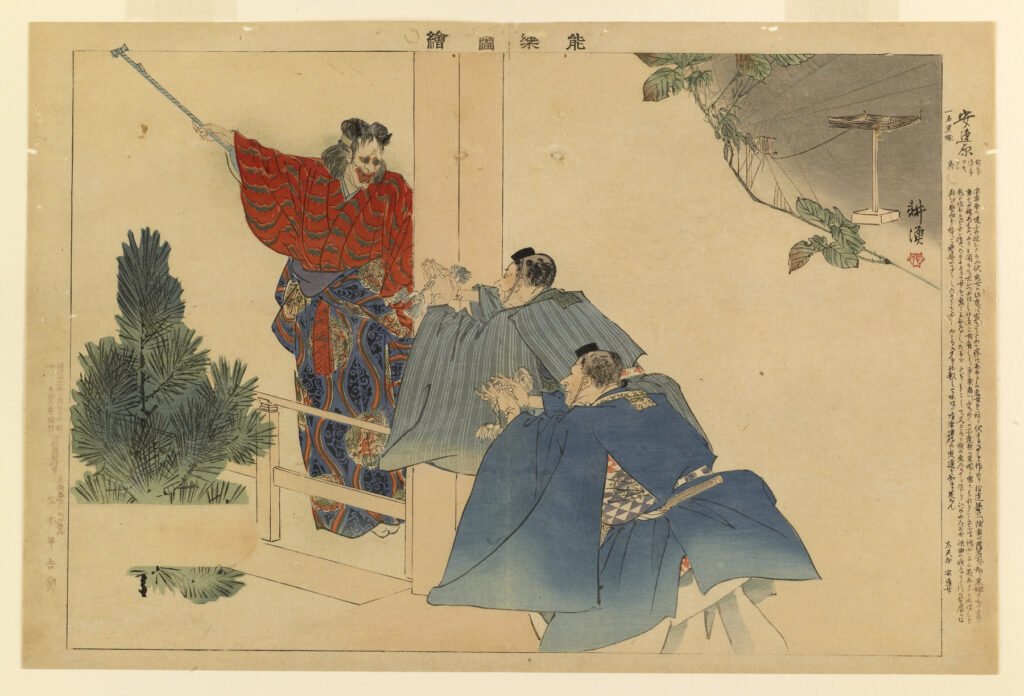
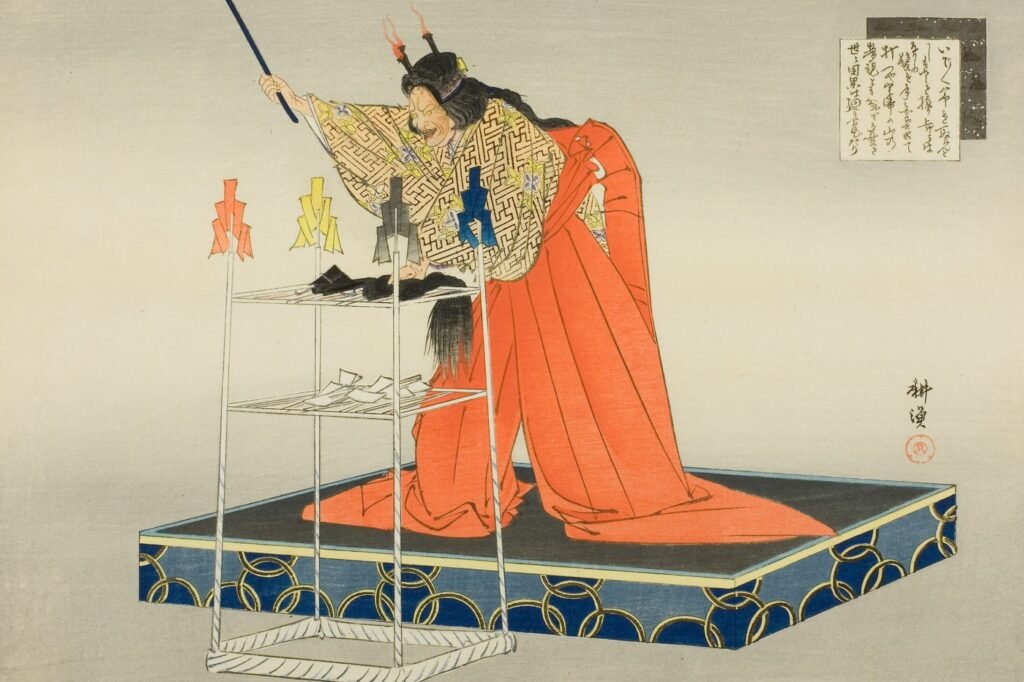
More details Kurozuka. Scene of confrontation between a demoness, hannya and two monks

The Dual Meaning of Hannya: Exploring Buddhist Wisdom and Japan’s Iconic Demonic Mask

What comes to mind when you hear the word “Hannya“? In recent years, tattoos featuring the Hannya mask have gained immense popularity in Western countries as an iconic Japanese design element. However, few people truly understand the complete meaning of Hannya. This Japanese term carries a fascinating duality: it represents the highest form of Buddhist

The Dual Meaning of Hannya: Exploring Buddhist Wisdom and Japan’s Iconic Demonic Mask Read More »

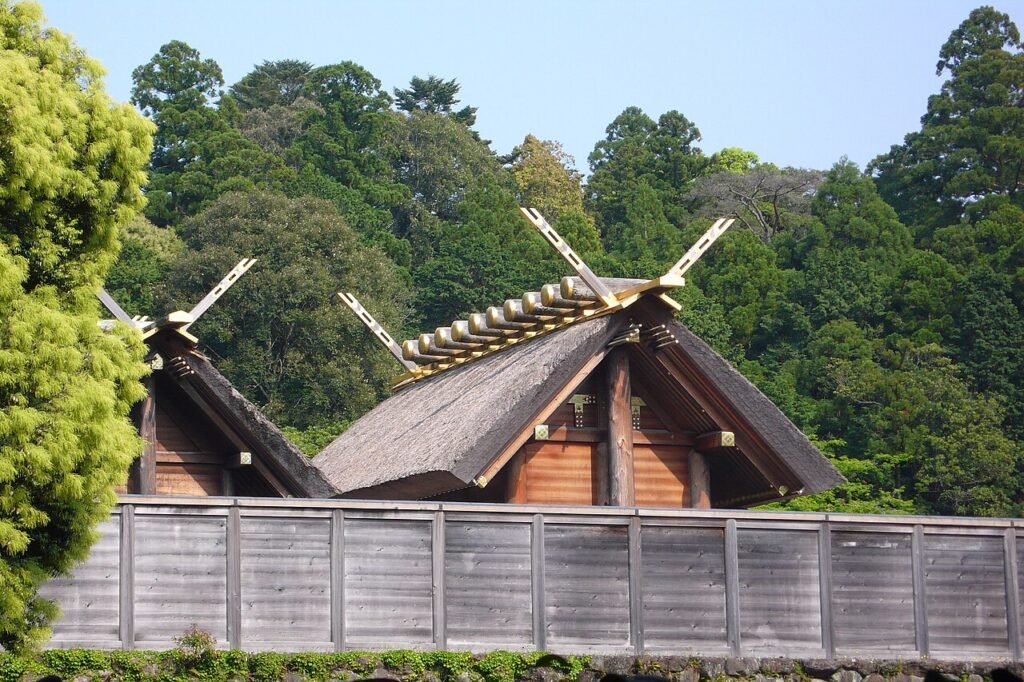
Naiku of Ise Grand Shrine

Ise Grand Shrine’s Sacred Architecture: Unveiling the Soul of Japanese Design

The very name “Ise Grand Shrine” (伊勢神宮, *Ise Jingū*) evokes a profound sense of reverence and purity in the Japanese consciousness. This is not merely an ancient religious site; it is a wellspring of Japan’s spiritual identity and, critically for our exploration today, the very embodiment of the nation’s architectural genesis. As a long-time observer

Ise Grand Shrine’s Sacred Architecture: Unveiling the Soul of Japanese Design Read More »

Horyuji Temple

Beyond the Veil: Exploring the Truth Behind the Horyuji Temple Seven Wonders

Horyuji Temple, nestled in the ancient capital of Nara, Japan, is renowned as the world’s oldest surviving wooden architectural complex, boasting a history of over 1,400 years. Throughout its long existence, numerous legends and mysterious tales have emerged and been passed down through generations. Among these, the “Horyuji Temple Seven Wonders” have particularly captivated people’s

Beyond the Veil: Exploring the Truth Behind the Horyuji Temple Seven Wonders Read More »

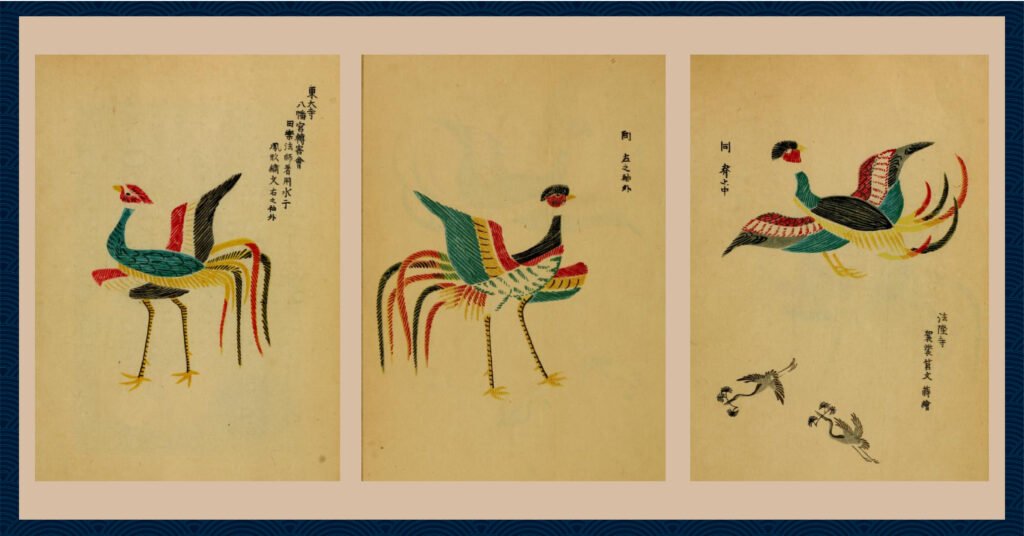
Traditional Japanese Motifs from Todaiji and Horyuji Temples

[Free Download] “Yatsuo no Tsubaki” Reveals Traditional Japanese Motifs from Todaiji and Horyuji Temples

The serene atmosphere of Japan’s ancient temples emanates not only from their architectural grandeur but also from the exquisite decorative elements adorning them. Now, an invaluable Edo-period (1603-1868) design manual called “Yatsuo no Tsubaki” (Eight Hills Camellia), which meticulously documents traditional Japanese motifs from iconic temples like Todaiji and Horyuji, has been digitized and made

[Free Download] “Yatsuo no Tsubaki” Reveals Traditional Japanese Motifs from Todaiji and Horyuji Temples Read More »

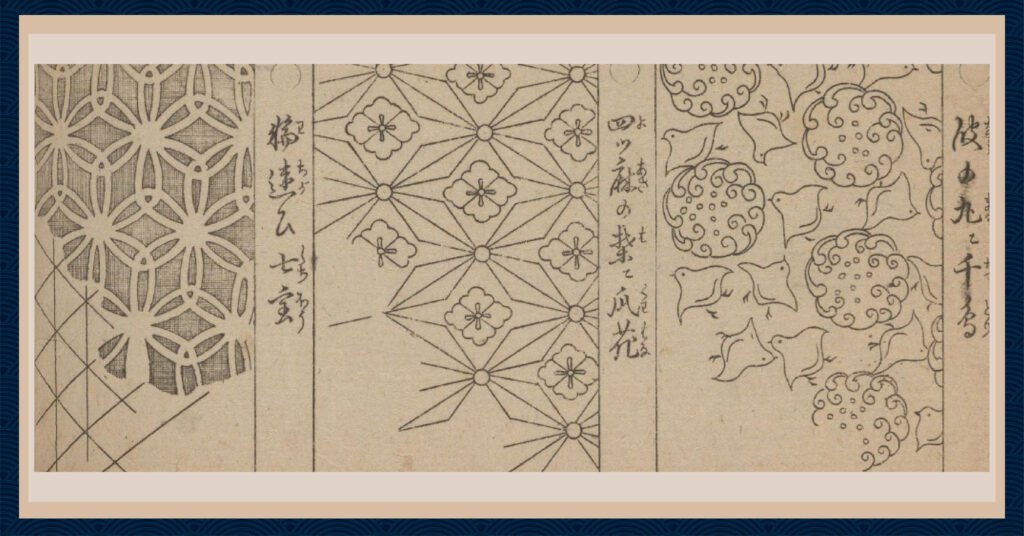
Traditional Kimono Patterns from the Meiji-Era "Yachigusa" Design Manual

[Free Download] Over 120 Traditional Kimono Patterns from the Meiji-Era “Yachigusa” Design Manual

The vibrant Yuzen kimono adorning Kyoto’s historic streets represent the quintessence of Japanese aesthetic sensibility and technical mastery. Now, an invaluable resource showcasing traditional kimono patterns from the Meiji era (1868-1912) has been made freely available through the Smithsonian Institution’s digital archives. This rare pattern book, “Yachigusa” (Eight Thousand Grasses), typically fetches between 30,000-40,000 yen

[Free Download] Over 120 Traditional Kimono Patterns from the Meiji-Era “Yachigusa” Design Manual Read More »

Japanese Arabesque Patterns from the Meiji-Era Design Manual "Karakusa Moyo Hinagata"

[Free Download] 330 Traditional Japanese Arabesque Patterns

When contemporary audiences hear “arabesque pattern” in Japan, many might picture the green cloth with white vine designs often worn by cartoon thieves. However, Japanese arabesque patterns—known as “karakusa-moyo” in Japanese—represent a sophisticated design tradition with roots stretching back to ancient times. These ornamental motifs, which stylize the natural curves and growth patterns of vines

[Free Download] 330 Traditional Japanese Arabesque Patterns Read More »

Hokusai Design Patterns - Comb and Pipes

[Free Download] Discover Hokusai Design Patterns for Combs and Pipes

When we think of Katsushika Hokusai (1760-1849), “The Great Wave off Kanagawa” or his “Thirty-Six Views of Mount Fuji” immediately come to mind. Yet the ukiyo-e master possessed another remarkable talent—that of an accomplished product designer. The design collection “Imayo Kushi Kiseru Hinagata” (Modern Designs for Combs and Pipes), published in 1823, showcases exquisite Hokusai

[Free Download] Discover Hokusai Design Patterns for Combs and Pipes Read More »